Traditional Chinese Medicine
Introduction
Traditional Chinese Medicine (TCM), encompasses a variety of practices, theories, and treatments developed over millennia in China. Rooted in Chinese culture and philosophy, TCM emphasizes holistic health care and the balance of bodily, emotional, and environmental factors to maintain health and well-being.
Historical Background
TCM has evolved over thousands of years, combining various healing practices and philosophical beliefs. The system is based on ancient texts such as the "Huangdi Neijing" (The Yellow Emperor's Inner Canon), which serves as a foundational source for TCM theory and practice. The philosophy of TCM revolves around concepts such as Qi (vital energy), Yin and Yang (the dual forces of nature), and the Five Elements (Wood, Fire, Earth, Metal, and Water) that constitute the universe. These concepts are fundamental to understanding the body's functioning and its relationship with the environment.
Core Theories
Yin-Yang Theory
The Yin-Yang theory in TCM is vital in understanding the balance and harmony required for health. Yin and Yang represent opposite but complementary forces, such as cold and heat, or passive and active states. Health is perceived as a state of dynamic equilibrium between these forces, and illness occurs when there is an imbalance.
Five Elements Theory
The Five Elements theory in TCM describes the interrelationships between various natural phenomena and the human body. The elements—Wood, Fire, Earth, Metal, and Water—are believed to correspond to different organs and physiological functions. Practitioners use this theory to diagnose and treat illnesses by restoring the balance among the elements.
Qi and Meridians
Qi, often translated as "vital energy" or "life force," circulates through the body along specific pathways known as meridians. Maintaining a smooth flow of Qi is crucial for health, and disruptions or blockages are believed to lead to illness. TCM treatments often aim to restore the proper flow of Qi within the body.
Modalities and Treatments
Acupuncture
Acupuncture is a significant TCM practice involving the insertion of thin needles into specific points on the body to regulate Qi flow and balance Yin and Yang energies. It is commonly used to alleviate pain and treat various physical and mental conditions. Acupuncture, coupled with moxibustion, is recognized as an intangible cultural heritage by UNESCO.
Herbal Medicine
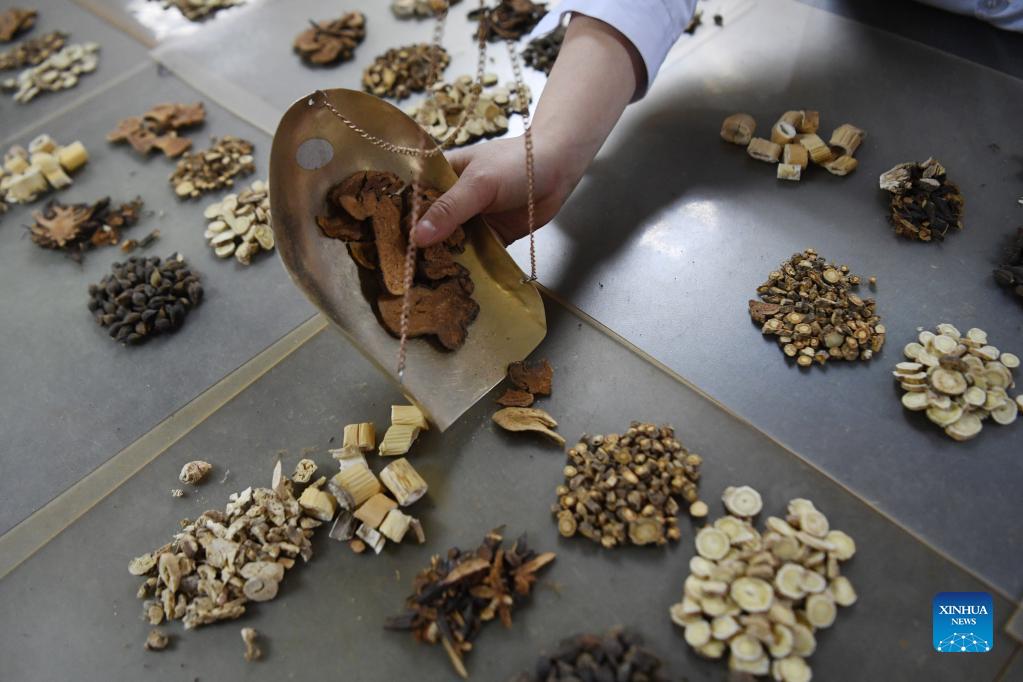
Herbal medicine in TCM involves using natural plant, animal, and mineral products to treat and prevent illness. Formulations often include multiple herbs working synergistically to address complex conditions and restore balance in the body.
Tuina and Massage
Tuina is a form of therapeutic massage that applies pressure to acupoints and meridians to promote Qi flow and alleviate musculoskeletal disorders. It is often combined with other therapies such as acupuncture and herbal medicine for comprehensive treatment.
Dietary Therapy
TCM dietary therapy involves using food's natural properties to maintain health and prevent disease. Foods are categorized by flavor, nature, and therapeutic action, and personalized dietary recommendations are made based on an individual's health condition and balance of Yin and Yang.
Qi Gong and Tai Chi
Qi Gong and Tai Chi are practices that combine gentle movements, breathing exercises, and meditation to enhance Qi circulation, improve physical and mental health, and promote longevity.
Global Influence and Integration
Traditional Chinese Medicine has gained global recognition, with its principles and practices being integrated into various health systems worldwide. Countries like Germany and Afghanistan have shown interest in incorporating TCM into their health care frameworks. The Mora Hospital in Afghanistan, for example, has expressed interest in collaborating with Chinese experts to promote TCM in the region, emphasizing its potential in addressing health challenges with minimal side effects.
Education and Research
Institutions such as the Chengdu University of Traditional Chinese Medicine play a significant role in educating international students and practitioners about TCM. This education fosters cultural exchange and broadens the understanding and application of TCM globally. Research continues to explore TCM's efficacy and mechanisms, bridging traditional practices with modern scientific methodologies.
Cultural Significance and Modern Application
TCM remains deeply connected to Chinese culture, reflected in seasonal practices like dietary modifications and the use of herbal remedies during specific solar terms. For instance, foods like duck are consumed during the End of Heat period for their cooling properties, as recommended by TCM principles. These practices are not only health-oriented but also culturally enriching, connecting individuals to China's rich heritage.








